
When most people think of Carpathian food, they picture heavy comfort meals: steaming plates of dumplings, rich sour cream, and hearty banosh. It is the kind of food designed to keep a shepherd warm in a blizzard.
But there is another side to this cuisine—a lighter, wilder side that is quietly becoming one of Europe’s most interesting wellness secrets.
Long before “farm-to-table” became a trendy marketing buzzword in New York or London, it was simply the only way to eat in the Carpathians. Here, the distance between the source and the plate is often measured in footsteps, not miles. And that difference tastes like health.
The “Zero-Kilometer” Diet
The secret to the healing power of Carpathian food isn’t a complex recipe; it is the soil.
Unlike the industrial farmlands of the plains, the mountain plots are often too steep for heavy machinery and too remote for chemical fertilizers. The result? Produce that grows slowly and struggles a bit against the elements. Biologically, this stress causes plants to produce more antioxidants and nutrients than their mass-market cousins.
When you eat a salad in a mountain hotel, the greens likely came from the garden out back. The eggs are from chickens that roam freely. This isn’t just ethical eating; it is nutritional density. You are eating food that hasn’t spent weeks in a shipping container losing its vitality.
The Original Superfoods: Berries and Fungi
Forget acai bowls. The real superfoods are growing wild on the slopes of Hoverla.
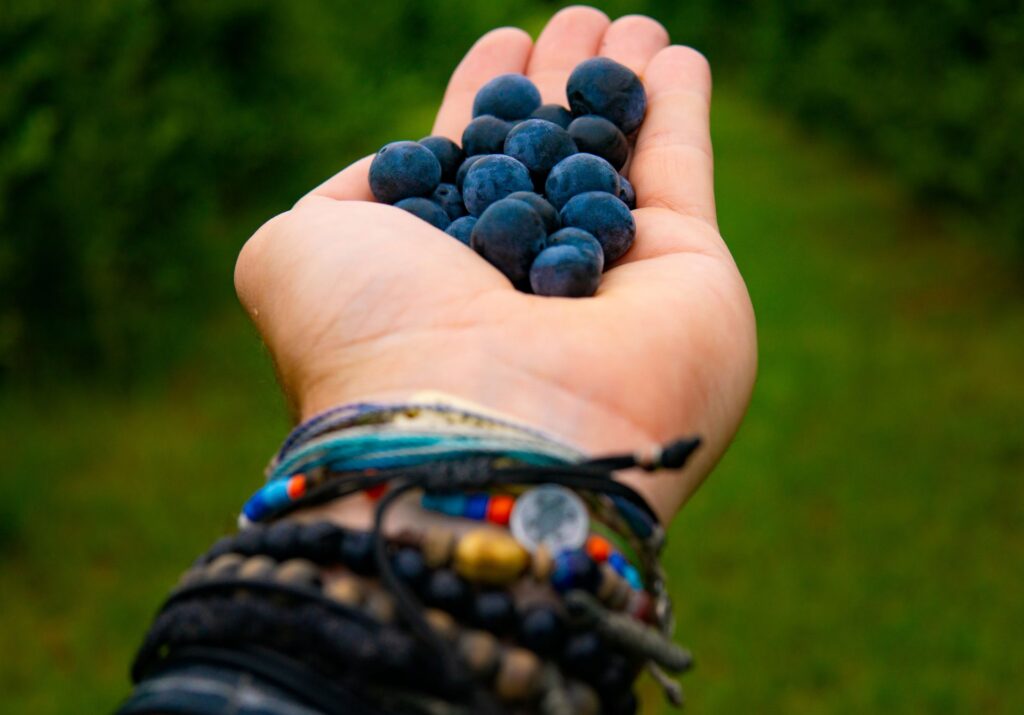
In late summer, the mountains turn purple and red with wild blueberries and lingonberries. These aren’t the watery, oversized berries you find in supermarkets. Wild Carpathian berries are tiny, intense flavor bombs packed with anthocyanins—powerful compounds that protect the eyes and reduce inflammation.
Then there are the mushrooms. The white truffle may get all the fame, but the Carpathian Porcini (White Mushroom) is a nutritional powerhouse of zinc, selenium, and vitamin D. Local chefs know exactly how to prepare them to retain their earthy texture and immune-boosting properties, often serving them just hours after they were picked from the forest floor.
“White Gold”: The Bryndza Phenomenon
You cannot talk about Carpathian healing without talking about Bryndza.
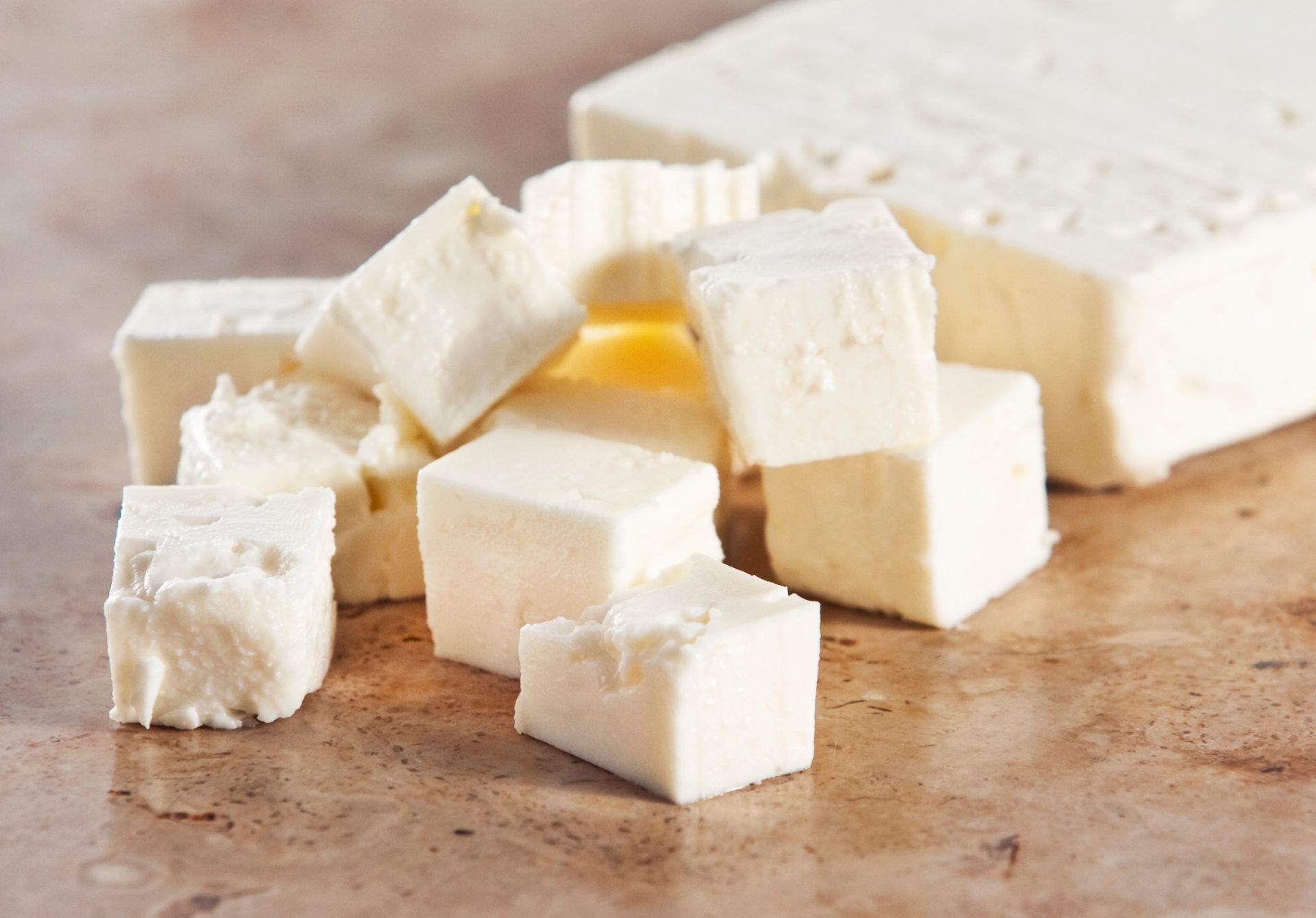
This sheep cheese is the region’s cultural icon, but it is also a probiotic miracle. It is made from the milk of sheep that graze on high-altitude pastures (polonyny), eating a diverse salad of medicinal herbs and wildflowers all day.
Because true Hutsul bryndza is often unpasteurized and fermented, it is teeming with healthy bacteria that support the gut microbiome. It’s rich, salty, and sharp, but unlike processed cheese, it aids digestion rather than slowing it down. It is calcium and protein in their most bioavailable forms.
Drinking the Landscape
Finally, there is the tea. In the Carpathians, tea is rarely just Camellia sinensis. It is a blend of what the locals call “Carpathian Tea”—dried raspberry leaves, thyme, mint, and St. John’s Wort gathered from the meadows.
Every sip is a micro-dose of essential oils. It calms the nervous system and aids sleep, completing the cycle of restoration.
A Delicious Prescription
Travel is often an excuse to eat poorly, but a trip to the Carpathians offers the opposite opportunity. It is a chance to reset your palate.
When you sit down to dinner here, you aren’t just filling your stomach. You are connecting with an ancient, sustainable food system. You are fueling your body with ingredients that have fought the wind and the sun to get to your plate. And honestly? That tastes better than any vitamin supplement ever could.